The Ultimate Guide to Sports Eyewear: Protecting Your Vision While Staying Active
For athletes and sports enthusiasts in Thousand Oaks and throughout California, having the right eyewear isn't just about seeing clearly—it's about safety, peak performance, and long-term eye health. Whether you're cycling through the scenic trails of Wildwood Park, playing pickleball at Conejo Creek, or hitting tennis balls at Thousand Oaks Tennis Center, specialized sports eyewear is essential for protecting your vision while optimizing your athletic performance.
At Academy Optical, we've spent over 46 years helping active individuals find eyewear that meets the unique demands of their sports and lifestyles. From weekend warriors to competitive athletes, proper sports eyewear can prevent devastating eye injuries while enhancing visual performance. This comprehensive guide will help you understand why sports-specific eyewear matters, what features to prioritize, and how to choose the perfect protection for your active California lifestyle.
Why Sports-Specific Eyewear Matters: The Alarming Statistics

According to the American Academy of Ophthalmology, over 40,000 sports-related eye injuries occur annually in the United States, with 90% being preventable through proper protective eyewear. These injuries range from minor corneal abrasions to severe trauma requiring surgery—and some result in permanent vision loss.
The Real Risks:
Eye injuries in sports aren't limited to high-contact activities. Even "low-risk" sports pose significant dangers. A tennis ball travels at speeds exceeding 75 mph. A pickleball moving at 40+ mph can cause serious orbital fractures or retinal detachment. Cycling accidents involving tree branches, insects, or road debris send thousands to emergency rooms annually.
The cost extends beyond physical injury. Sports-related eye trauma results in approximately $175-200 million in medical expenses yearly, not counting lost work time, reduced quality of life, or permanent disability. For children and young adults, a single preventable eye injury can affect their vision—and life trajectory—forever.
The California Outdoor Factor:
Thousand Oaks' year-round outdoor recreation opportunities mean extended UV exposure. California's intense sunshine increases risks of photokeratitis (sunburn of the eye), cataracts, and macular degeneration over time. Athletes training in our climate need comprehensive UV protection combined with impact resistance—regular sunglasses simply don't provide adequate protection for active sports.
Understanding Sport-Specific Vision Needs

Different sports present unique visual challenges requiring specialized eyewear solutions. Understanding your sport's specific demands helps you choose optimal protection.
Cycling and Mountain Biking
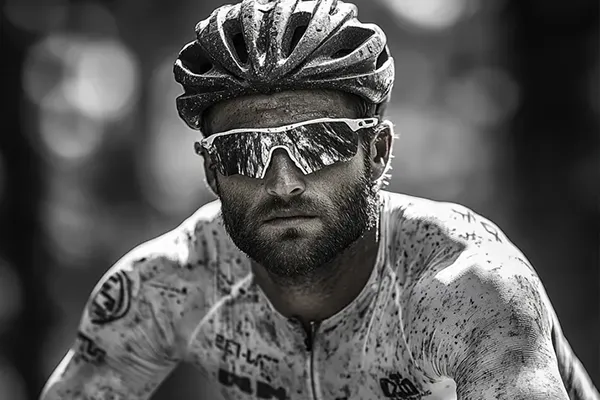
Cyclists face wind-induced tearing, UV exposure, debris, insects, and rapidly changing light conditions. Elite cyclists need eyewear that addresses all these challenges without compromising peripheral vision or comfort during long rides through Thousand Oaks' hills and valleys.
Essential Features:
Wraparound frames preventing wind from reaching eyes
Photochromic lenses adapting to changing light conditions
Ventilation systems preventing fog buildup during climbs
Impact-resistant polycarbonate protection against debris
Secure fit that stays stable during rough terrain
Running and Trail Sports
Runners need lightweight eyewear that won't slip or bounce during movement. Trail runners face additional hazards from low-hanging branches, uneven lighting under tree canopy, and varying terrain that demands excellent depth perception.
Essential Features:
Ultra-lightweight frames (under 30 grams)
Non-slip nose pads and temple grips
Wide field of vision for trail awareness
Polarized lenses reducing ground glare
Sweat management systems
Racquet Sports (Tennis, Pickleball, Racquetball)
Racquet sports present significant eye injury risks. Recent data shows pickleball-related eye injuries have surged 600% in recent years, prompting new safety standards. The fast-moving balls, close-quarters play, and quick reactions required make proper eye protection critical.
Essential Features:
ASTM F803 or F3164-24 certification (new standard includes pickleball)
High-contrast lenses improving ball tracking
Impact-resistant polycarbonate lenses
Secure fit preventing slippage during quick movements
Prescription options for players requiring vision correction
Water Sports and Fishing
Water creates intense glare that reduces visibility and causes eye strain. Whether you're paddle boarding on Lake Sherwood or fishing at nearby waterways, specialized lenses make dramatic differences in visual clarity and comfort.
Essential Features:
Polarized lenses eliminating water glare
Hydrophobic coatings repelling water droplets
Floating frame options for water safety
UV400 protection against reflected UV rays
Secure retention systems
Golf
Golf demands exceptional depth perception, contrast sensitivity, and ability to track small objects against varying backgrounds. The right lens tints dramatically improve performance by enhancing grass contrast and highlighting ball flight.
Essential Features:
Contrast-enhancing lens tints (amber, rose, or copper)
Lightweight frames for all-day comfort
Anti-reflective coatings reducing distraction
Prescription options maintaining distance clarity
UV protection during hours outdoors
Equestrian Sports
Horseback riders face unique challenges: wind at galloping speeds, dust and debris, varying outdoor light, and the need for excellent peripheral vision to monitor both the horse and surroundings.
Essential Features:
Wraparound protection from wind and debris
Impact-resistant materials for safety during falls
Secure fit preventing loss during rides
Polarized lenses reducing glare in outdoor arenas
Ventilation preventing fog from exertion
8 Essential Features Every Sports Eyewear Must Have
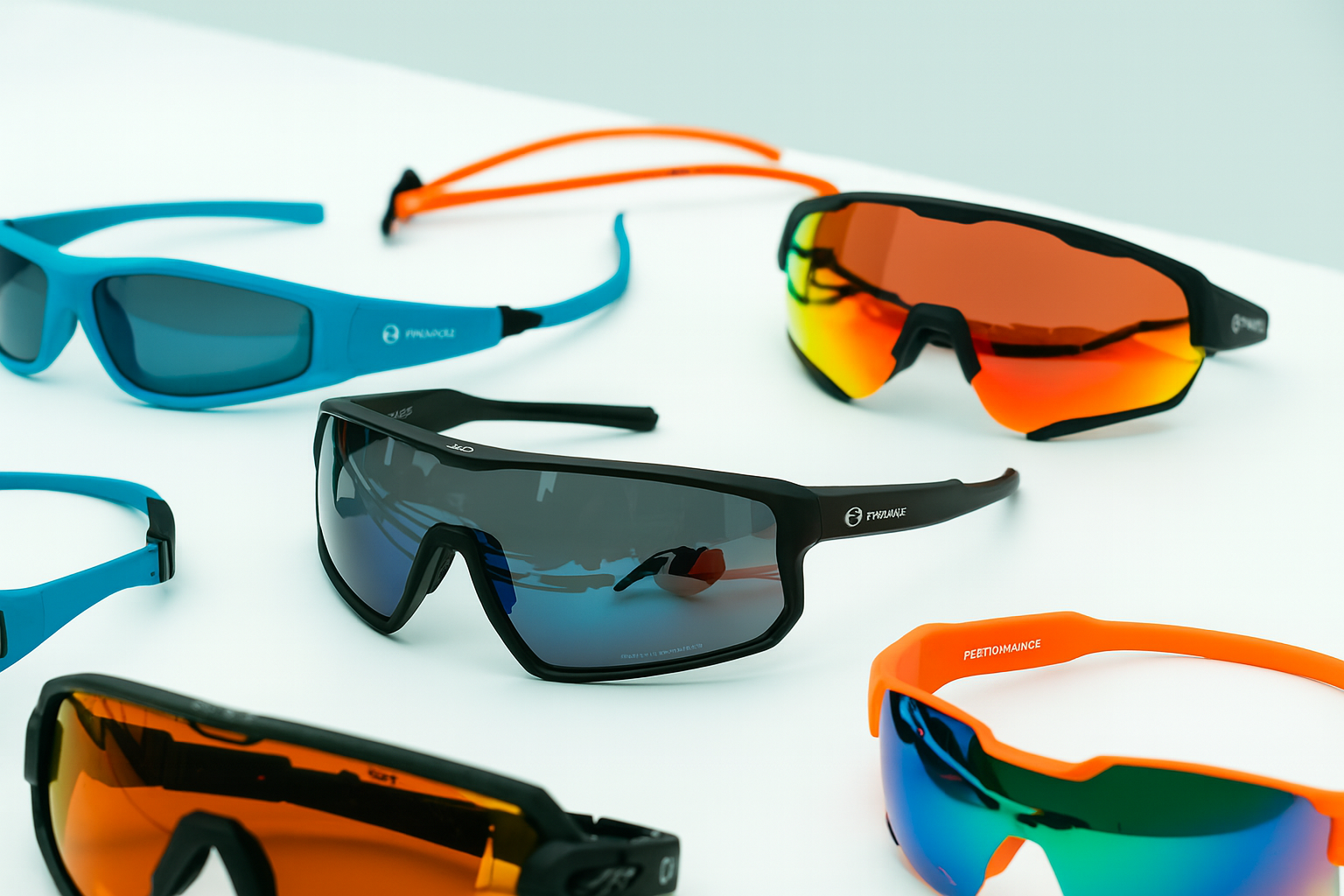
Regardless of your specific sport, certain features are non-negotiable for quality sports eyewear. Here's what to prioritize when selecting protection for your active Thousand Oaks lifestyle:
1. Impact Resistance: The Foundation of Protection
Sports eyewear must meet rigorous impact standards. Polycarbonate lenses are the gold standard, offering superior impact resistance while remaining lightweight. According to Prevent Blindness, polycarbonate provides the highest level of impact protection available in eyewear today.
Look for frames meeting ASTM F803 standards for general sports or ASTM F3164-24 for racquet sports. These standards ensure eyewear can withstand high-velocity impacts from sport-specific projectiles traveling up to 90 mph.
2. 100% UV Protection: Non-Negotiable for Outdoor Athletes
California sunshine demands comprehensive UV protection. Quality sports eyewear should block 100% of UVA and UVB rays. Prolonged UV exposure without protection accelerates cataract development, increases pterygium risk, and damages the retina. UV protection is especially critical at higher altitudes or near reflective surfaces like water or snow.
3. Anti-Fog Technology: Maintaining Clear Vision
Active sports generate heat and perspiration. Anti-fog coatings or ventilation systems are crucial for maintaining clear vision during intense activities. Modern anti-fog technologies include hydrophilic coatings that spread moisture evenly, preventing droplet formation that obscures vision.
4. Proper Fit and Stability: Performance Through Comfort
Even the most advanced lenses are useless if frames slip, pinch, or bounce during activity. Look for adjustable nose pads, temple tips with grippy materials, and wraparound designs that conform to facial contours. For cyclists and runners, frames should stay stable even during vigorous head movements.
5. Optical Clarity: Distortion-Free Vision
Sports demand split-second decisions based on accurate visual information. Cheap lenses with optical distortion impair depth perception and peripheral vision. Quality sports eyewear uses optically correct lenses maintaining clarity across the entire viewing area, including periphery.
6. Ventilation: Fog Prevention Without Compromising Protection
Strategic ventilation channels allow airflow while maintaining protection from wind, debris, and projectiles. Well-designed ventilation systems position air channels away from direct projectile paths, balancing fog prevention with safety.
7. Lightweight Construction: All-Day Comfort
Heavy eyewear causes fatigue, pressure points, and distraction during extended activity. Modern sports eyewear uses advanced materials achieving the perfect balance between strength and minimal weight. Many performance frames weigh less than 25 grams—barely noticeable during wear.
8. Helmet Compatibility: For Cycling and Action Sports
Cyclists, skiers, and other helmet-wearing athletes need frames compatible with helmet retention systems and straps. Temple designs should be thin enough to fit comfortably under helmets without creating pressure points.
Lens Technology: Choosing the Right Tint and Treatment
Lens technology has evolved dramatically, offering options optimized for specific sports and conditions. Understanding these technologies helps you maximize visual performance.
Photochromic Lenses: Adaptive Protection
Photochromic lenses automatically darken in bright conditions and lighten in low light, eliminating the need to switch eyewear as conditions change. Modern photochromic technology responds quickly enough for most sports, though they perform less effectively in cars (windshields block UV that triggers the transition).
Best for: Cycling, running, hiking, and any activity with rapidly changing light conditions.
Polarized Lenses: Glare Elimination
Polarization filters horizontally-oriented light waves that create glare from reflective surfaces. The difference is dramatic—water surfaces, wet roads, and snowy terrain become visually clear rather than washed out. However, polarized lenses can make it difficult to read digital displays or see ice patches.
Best for: Water sports, fishing, driving, and any activity near reflective surfaces.
Contrast-Enhancing Tints
Different tint colors enhance specific visual elements:
Rose/Copper: Enhances contrast against green backgrounds (golf, tennis) Amber/Yellow: Improves depth perception in flat light (cycling, skiing) Gray: Reduces brightness while maintaining color accuracy (general use) Brown: Enhances contrast and depth perception (baseball, softball) Green: Filters blue light while enhancing contrast (golf, tennis)
Mirrored Coatings: Reduced Eye Strain
Mirrored coatings reflect additional light before it reaches your eyes, reducing eye strain in extremely bright conditions. They're particularly effective for high-altitude activities or water sports where reflected light is intense.
Prescription Sports Eyewear: Options for Vision Correction
Athletes requiring vision correction have three primary options, each with advantages and considerations:
Direct Prescription Lenses in Sports Frames
Many sports frames accommodate prescription lenses directly. At Academy Optical's in-house lab, we can create custom prescription lenses in impact-resistant polycarbonate or Trivex materials meeting sports safety standards.
Advantages:
No need for contact lenses
Consistent vision regardless of eye dryness or irritation
Full prescription range available
One-piece solution
Considerations:
Requires professional fitting for proper optical center alignment
May be heavier than non-prescription options
Prescription changes require new lenses
Contact Lenses Plus Non-Prescription Sports Eyewear
Many athletes prefer combining contact lenses with non-prescription protective sports eyewear. This approach offers maximum flexibility and often provides wider peripheral vision.
Advantages:
Wider unobstructed peripheral vision
Lighter weight eyewear
Easy lens changes for different conditions
More frame style options
Considerations:
Requires contact lens fitting and maintenance
May experience dryness during prolonged activity
Dual expense (contacts plus protective eyewear)
Prescription Inserts with Sports Goggles
Some sports goggles accept prescription inserts that sit behind protective outer lenses. This system combines prescription correction with maximum impact protection.
Advantages:
Ultimate impact protection
Prescription changes only require insert replacement
Ideal for high-risk sports
Considerations:
Slightly more complex system
May have minor optical distortion at periphery
Limited to specific frame systems
Sports Eyewear for Young Athletes: Special Considerations
Children and teenagers engaging in sports face unique eyewear challenges. Their faces are still growing, their prescriptions change frequently, and they're often more active and rough on equipment than adults.
Size and Fit: Youth-specific frames account for smaller facial dimensions and different proportions. Adult frames don't simply "size down"—they require entirely different geometries to fit properly.
Durability: Young athletes are harder on equipment. Look for flexible frame materials that withstand drops, twisting, and rough handling. Many youth sports frames use memory metal or flexible polymers that "bounce back" from abuse.
Prescription Growth: Children's prescriptions change rapidly. Consider adjustable systems or budget for regular replacements. Many families maintain both prescription and non-prescription options, using contacts for sports as children mature.
Safety Standards: Children's developing eyes are even more vulnerable to injury. Insist on ASTM-certified protective eyewear for any sport with projectile or contact risks.
At Academy Optical in Thousand Oaks, we specialize in fitting young athletes with protective sports eyewear that will actually be worn—because the best protection is the protection they'll use consistently.
Caring for Your Sports Eyewear Investment
Quality sports eyewear represents a significant investment in your vision and performance. Proper care extends lifespan and maintains optimal performance:
Daily Maintenance:
Rinse frames with clean water after sweaty activities
Use microfiber cloths—never paper products or clothing
Apply optical-safe cleaner, never household cleaners
Store in protective cases when not wearing
Check screws and components regularly
Regular Professional Care:
Visit Academy Optical every 6 months for adjustment and inspection
Professional deep cleaning removes embedded debris
Alignment checks ensure optimal optical performance
Replace worn nose pads and temple tips
What to Avoid:
Leaving eyewear in hot cars (warps frames and coatings)
Using abrasive cleaners or rough materials
Storing loose in gym bags (causes scratches)
Exposing to chlorinated water without rinsing
Overtightening screws during DIY adjustments
When to Replace:
Scratches in optical zone impairing vision
Cracks, warping, or structural damage
After significant impacts (even without visible damage)
When frames no longer fit securely
Coating degradation affecting performance
The Academy Optical Advantage for Thousand Oaks Athletes
At Academy Optical, we understand that sports eyewear requires specialized expertise beyond standard optical services. Our 46-year history serving active Thousand Oaks residents has taught us what works for California's unique climate and lifestyle.
Expert Fitting Services: Nancy and Diane personally oversee complex sports eyewear fittings, ensuring optimal protection, comfort, and performance. We understand the specific demands of cycling through Conejo Valley, hiking in Santa Monica Mountains, and playing pickleball in Thousand Oaks' excellent facilities.
In-House Lab Capabilities: Our full-service lab allows us to create custom prescription sports lenses with same-day service for many applications. We use impact-resistant polycarbonate and Trivex materials meeting ASTM standards.
Curated Selection: We stock sports eyewear specifically selected for Southern California athletes—not generic inventory that doesn't address our region's needs.
Ongoing Support: Complimentary adjustments, repairs, and cleaning for life. Sports eyewear takes abuse; we keep yours performing optimally.
Local Knowledge: We know Thousand Oaks' sports culture, climate challenges, and specific needs of local athletes from weekend warriors to competitive players.
Investing in Performance and Protection
Quality sports eyewear typically ranges from $150-400 depending on features, prescription requirements, and lens technologies. While this represents a significant investment, consider what you're protecting: your irreplaceable vision.
A single sports-related eye injury requiring emergency care, surgery, and recovery easily costs thousands of dollars—not counting lost work time, reduced quality of life, or permanent vision damage. The best sports eyewear insurance is prevention through proper protective equipment.
What Influences Cost:
Frame materials and construction quality
Lens technology (photochromic, polarized, prescription)
Safety certifications and testing
Optical quality and clarity
Durability and warranty coverage
At Academy Optical in Thousand Oaks, we help you understand the full value proposition and can discuss options at various price points that don't compromise essential protection.
Ready to Protect Your Vision and Enhance Your Performance?
Don't let inadequate eyewear hold you back from peak athletic performance or, worse, leave your vision vulnerable to preventable injury. Whether you're a competitive athlete or weekend enthusiast, proper sports eyewear is essential for safe, effective training and competition.
Visit Academy Optical at The Oaks Mall in Thousand Oaks to experience the difference that expert fitting and quality sports eyewear make. Nancy and Diane will guide you through our curated selection, help you understand which features matter for your specific sports, and ensure perfect fit and optimal protection.
Your eyes deserve the best protection while you pursue your sporting passions. Schedule your sports eyewear consultation today and discover why active Thousand Oaks residents have trusted our family for over 46 years when safety and performance matter most.
Author Bio:
Nancy and Diane are the sister proprietors of Academy Optical, continuing their mother's 1977 legacy of exceptional vision care in Thousand Oaks. With decades of combined experience fitting sports eyewear for California athletes—from youth players to competitive adults—they understand the unique demands of active lifestyles in Southern California's climate. Their expertise in impact-resistant lenses, prescription sports eyewear, and performance optimization has made Academy Optical the trusted choice for Thousand Oaks' active community. They're in the store daily at The Oaks Mall, personally ensuring every athlete receives eyewear that provides maximum protection without compromising performance.
FAQ SECTION (8 Questions)
Q1: What safety standards should sports eyewear meet? Sports eyewear should meet ASTM F803 standards for general sports protection or ASTM F3164-24 for racquet sports including tennis, racquetball, squash, and pickleball. These standards ensure frames and lenses can withstand high-velocity impacts from sport-specific projectiles. Regular sunglasses don't provide adequate protection for athletic activities.
Q2: Can I get prescription lenses in sports eyewear? Yes. At Academy Optical in Thousand Oaks, our in-house lab creates custom prescription sports lenses using impact-resistant polycarbonate or Trivex materials that meet ASTM safety standards. We fit prescriptions in sports-specific frames designed for cycling, running, racquet sports, and other activities requiring vision correction with protection.
Q3: What's the difference between polycarbonate and regular plastic lenses for sports? Polycarbonate lenses are approximately 10 times more impact-resistant than regular plastic lenses while being lighter weight. Polycarbonate is the recommended material for all sports eyewear due to its superior protection against high-velocity impacts. Regular plastic lenses can shatter upon impact, causing serious eye injury.
Q4: Are polarized lenses good for all sports? Polarized lenses excel for water sports, fishing, driving, and activities near reflective surfaces by eliminating glare. However, they're not ideal for all sports—some athletes find them problematic for reading digital displays, seeing ice patches while skiing, or certain ball sports where polarization affects perception. Consult Academy Optical to determine if polarization suits your specific sports.
Q5: How do I know if sports eyewear fits properly? Proper fit means frames stay stable during vigorous activity without pinching, slipping, or bouncing. Temples should grip securely without pressure points, nose pads should distribute weight comfortably, and lenses should provide unobstructed peripheral vision. Visit Academy Optical in Thousand Oaks for professional fitting—proper fit is crucial for both protection and performance.
Q6: Do I need different eyewear for different sports? While some sports eyewear works across multiple activities, high-impact sports (racquetball, baseball) require ASTM-certified protection, water sports benefit from polarization, and cycling needs wraparound wind protection. Many athletes maintain 2-3 pairs optimized for specific activities. We help Thousand Oaks athletes determine the most versatile options for their sport combinations.
Q7: Can children wear adult sports eyewear in smaller sizes? No. Youth sports eyewear requires different proportions and geometries than downsized adult frames. Children's faces have different dimensions, and improperly fitting eyewear provides inadequate protection while being uncomfortable. Academy Optical carries youth-specific sports eyewear properly sized and certified for young athletes.
Q8: How often should I replace sports eyewear? Replace sports eyewear after any significant impact (even without visible damage), when scratches impair vision, if frames become loose or warped, or every 2-3 years with regular use. Coatings degrade over time, reducing effectiveness. Visit Academy Optical for regular inspections—we'll advise when replacement is necessary for optimal protection.
